Style | September 22, 2026
There is a moment in every well-dressed person's life when they realize that the arithmetic of their closet does not add up. The cheap coat that looked so good in the store and fell apart by February. The trendy dress worn twice and then quietly retired. The shoes that were a bargain until the soles wore through in a season. Add up the money spent on pieces that did not last, and the number is often larger than the cost of a single excellent thing that would have served for years.
This is the argument for the investment piece, and it is not a new one. But it is worth revisiting, because the phrase has been so thoroughly co-opted by marketing that it has lost much of its meaning. An investment piece is not simply an expensive one. It is a garment that earns its keep, season after season, until the cost per wear drops below anything you could have bought cheaply.
The math is simple. A two-hundred-dollar coat worn a hundred times costs two dollars per wear. A forty-dollar coat worn ten times costs four. The expensive coat is, in the end, the cheaper one. The trick is knowing which pieces will actually get the wear, and which will sit in the back of the closet while you reach for something else.
Where to Spend, and Where to Save
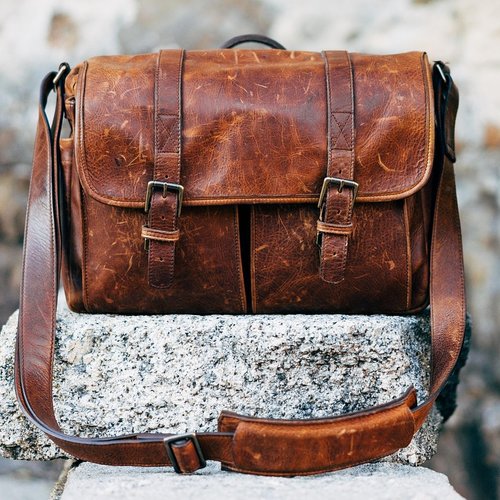
Not every category deserves the same level of investment. The pieces that carry the most weight in your wardrobe, the ones you wear most often and that define how you look, are where the money should go. For most people, that means outerwear, shoes, bags, and tailoring. A beautiful coat is the first thing people see and the last thing you take off. Good shoes determine whether you can walk through your day comfortably. A well-made bag goes everywhere with you. And a perfectly tailored jacket or pair of trousers will make everything else you own look more expensive.
On the other hand, there are categories where spending less is entirely reasonable. Trend-driven pieces, seasonal colors, and anything you are not sure you will love in a year are better bought affordably. The same goes for basics that get a lot of wear and tear, like white t-shirts and gym clothes, where the difference between mid-range and luxury is often smaller than the price gap suggests. The point is not to spend more across the board, but to spend deliberately.
When you are considering a significant purchase, ask yourself three questions. Will I wear this at least thirty times in the next year? Does it work with at least three things I already own? And would I still want it if it were not on sale? If the answer to any of these is no, walk away. If the answer to all three is yes, you are probably looking at a piece worth having.
The Discipline of the Long View
Buying better requires a different relationship with shopping. It means waiting, sometimes for months, until the right piece appears. It means resisting the end-of-season sale that tempts you with something you do not actually need, simply because it is discounted. And it means being honest with yourself about what you will really wear, rather than what you wish you would wear.
One useful practice is to keep a list. When you find yourself wanting something, write it down instead of buying it. If you still want it a month later, and it fits the criteria above, then it is worth pursuing. If you have forgotten about it by then, you have saved yourself both the money and the closet space. Over time, this list becomes a kind of portrait of your actual style, stripped of impulse and marketing.
Another is to care for what you own. Polish your shoes, brush your coats, repair the loose button before it becomes a missing one. The pieces that last are the pieces that are maintained, and the habit of maintenance is itself a form of luxury. It says that you value what you have, and that you intend to keep it.
In the end, the investment piece is not really about money. It is about attention. It is about choosing, deliberately, the things that will accompany you through the years, and letting go of the rest. A smaller wardrobe, chosen well, is not a sacrifice. It is a relief. And it is, quietly, one of the most luxurious things you can do for yourself.

























The most beautiful things in a home or a wardrobe are rarely the newest — they are the ones that have been lived in well.
Alice Rose
Sep 7, 2026 at 3:12 pm