Travel | October 1, 2026
There was a time when the grand tour was the finishing touch on a young aristocrat's education: months, sometimes years, spent moving slowly through Italy, France, and Greece, collecting art, learning languages, and developing a taste that could not be acquired from books. Somewhere along the way, travel became a checklist. Three cities in five days. A photo at every landmark. A schedule so tight that the trip required a vacation afterward.
The pendulum is swinging back. The travelers I admire most these days are not the ones with the most stamps in their passports, but the ones who stay in a single place long enough to be recognized by the woman at the corner bakery. They rent an apartment in a hill town for a month, learn the rhythm of the morning market, and let the destination reveal itself slowly. It is a quieter form of luxury, and a far more memorable one.
Part of this shift is practical. When you stay put, you trade the friction of constant packing and transit for the pleasure of familiarity. You find the restaurant that is not in any guidebook because you walked past it three times before deciding to go in. You learn that the best light in the piazza is at seven in the evening, when the day-trippers have gone and the locals come out to stroll. These are not experiences you can schedule. They are the reward for slowing down.
The Case for Renting a Home Rather Than a Suite
A hotel can be wonderful, but it is also a kind of bubble. The concierge arranges everything, the restaurant is on the ground floor, and you could be anywhere in the world. For a long stay, a private home changes the equation entirely. You have a kitchen, which means you can buy the tomatoes that looked so good at the market and figure out what to do with them. You have a terrace, which means you can have a glass of wine at the end of the day without anyone hovering. You have a neighborhood, which means you eventually belong to it, even if only for a few weeks.
When choosing a rental, look beyond the photographs. A great location is worth more than a beautiful interior, because you will spend most of your time outside. Read the reviews carefully, especially the ones that mention noise, light, and the walk to the nearest café. And consider the season. A coastal town in August is a different place entirely than the same town in October, and the shoulder months often offer the best combination of weather, crowds, and price.
It also helps to travel with a purpose that is not sightseeing. Take a cooking class that meets twice a week. Sign up for a language course. Bring a project you have been meaning to finish. Having a reason to be somewhere, beyond the fact that it is beautiful, gives shape to the days and makes the experience feel less like a break and more like a life.
The Art of Doing Less, Better
The paradox of slow travel is that you often see more, not less. When you are not rushing, you notice things. The way the light changes on the same wall at different hours. The shopkeeper who closes for lunch and reopens when he feels like it. The particular sound of a town waking up. These details are the ones that stay with you, long after the famous museums have blurred together in memory.
This approach also happens to be gentler on the places we visit. Overtourism is a real problem in many of the world's most beautiful destinations, and the travelers who contribute most positively are the ones who stay longer, spend locally, and move at the pace of the place itself. Luxury, in this reading, is not about consuming more but about consuming more thoughtfully.
So the next time you plan a trip, consider subtracting rather than adding. Choose one place. Stay a while. Let the itinerary emerge on its own. You may find that the grand tour was never really about the destinations at all, but about the person you become while you are there.


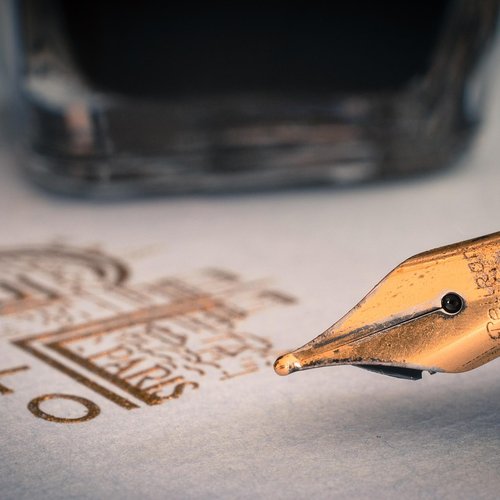


























In a world of disappearing messages, the handwritten note has become one of the rarest and most affecting gestures.
Alice Rose
Sep 14, 2026 at 3:12 pm